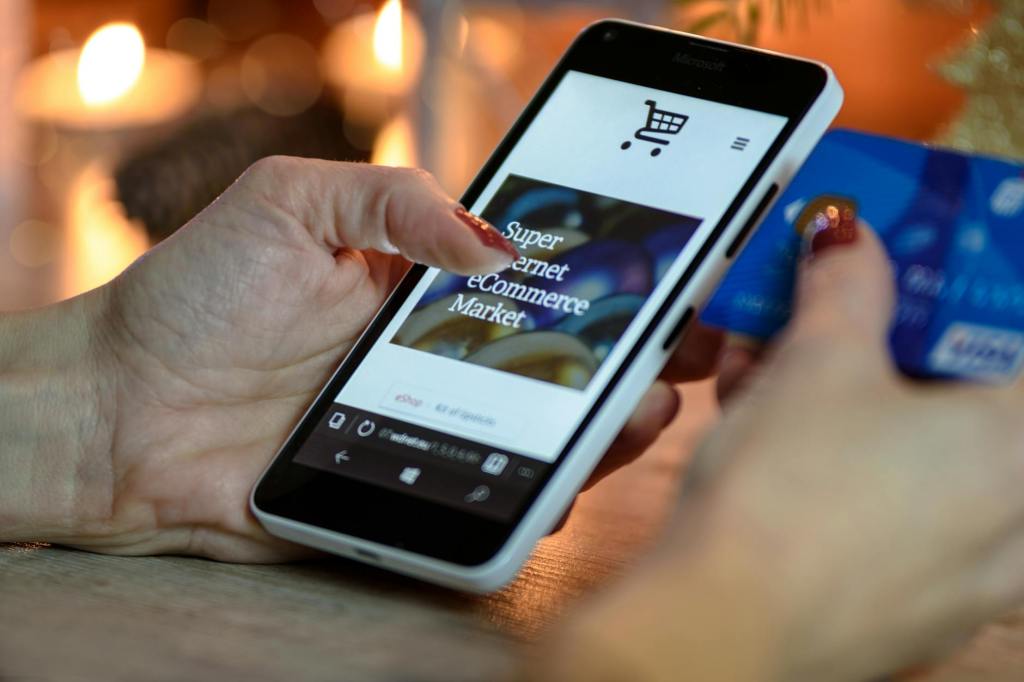
Consumerism seems to be at an all-time high, which may make us wonder, how has social media added to this? In today’s digital age, the constant exposure to curated lifestyles on social media platforms can create a sense of inadequacy and desire for more. The relentless barrage of advertisements and influencers showcasing the next Amazon find can significantly influence our purchasing decisions, often leading to impulsive shopping habits.
*NOTE: I am not an expert. This post is NOT advice.*
This phenomenon raises questions about the psychology behind consumption: Are we truly buying products we need, or are we simply trying to fill an emotional void? As we navigate through these influences, it is crucial to examine the underlying motivations for shopping behaviors and recognize the potential addiction that can stem from this modern consumer culture.
In a society where material possessions are often equated with success and happiness, many individuals find themselves caught in a web of consumer habits that can lead to excessive spending. This compulsive urge to shop can stem from various psychological factors such as a desire for instant gratification, a way to cope with stress or anxiety, or even a need for social validation.
As online shopping becomes increasingly convenient, the lines between casual purchases and addiction can blur, raising important questions about the impact of consumer culture on our mental health and well-being. With just a few clicks, individuals can access an overwhelming array of products. This ease of access not only fosters a culture of instant gratification but can also contribute to feelings of guilt or anxiety when overspending occurs. Understanding these dynamics is crucial for fostering a healthier relationship with consumption in today’s digital age.
Many realized this, and the whole “No Buy” idea has really gained traction on sites like YouTube, Pinterest, and TikTok. “No Buy” means taking a break from shopping for a while to get your spending in check. This trend encourages individuals to reflect on their consumption habits and prioritize financial stability over impulse purchases. Participants often share their experiences and strategies for resisting the urge to shop, fostering a supportive community that values mindfulness and sustainability. With numerous success stories and creative alternatives to shopping being showcased online, people are discovering the benefits of this movement, such as saving money, reducing clutter, and enhancing their overall well-being.
Is “No Buy” the solution? I am not a psychologist or an expert, but there seems to be a strong argument that getting to the root emotional cause is key in these situations.
I wanted to chat about some big questions:
How can we, as content creators, not make things worse? And what can we do as content consumers to steer clear of these traps?
What can we do as content creators to not add further fuel to this fire?
As creators, we can be strategic and selective about our content and collaborations, recognizing the influence we hold over our audiences. By carefully curating our partnerships, we not only enhance our credibility but also contribute to a more genuine dialogue within the community. We can provide honest reviews and real authentic conversations about what is a must-have product and what we do not need, but MAY want, ensuring that our recommendations resonate with our followers. This approach encourages trust and reinforces our role as thought leaders, ultimately fostering a more meaningful connection between us, the products we endorse, and the consumers who rely on our insights. By prioritizing transparency and authenticity, we elevate our voices in an increasingly saturated market, paving the way for a more informed and engaged audience.
What can we do as content consumers to avoid this trap?
As we absorb and digest content, we can be selective about who we choose to follow and engage with. Give yourself time to make informed decisions before clicking that enticing “buy” button. Ask ourselves why we are buying it, how useful is it, and if it is really necessary. Do you need it? Why? Who are you really buying it for?
By cultivating a more discerning mindset, we empower ourselves to be mindful consumers and creators. This not only encourages thoughtful consumption, but also fosters creativity and innovation in our own projects.


 BECSEA
Leave a comment